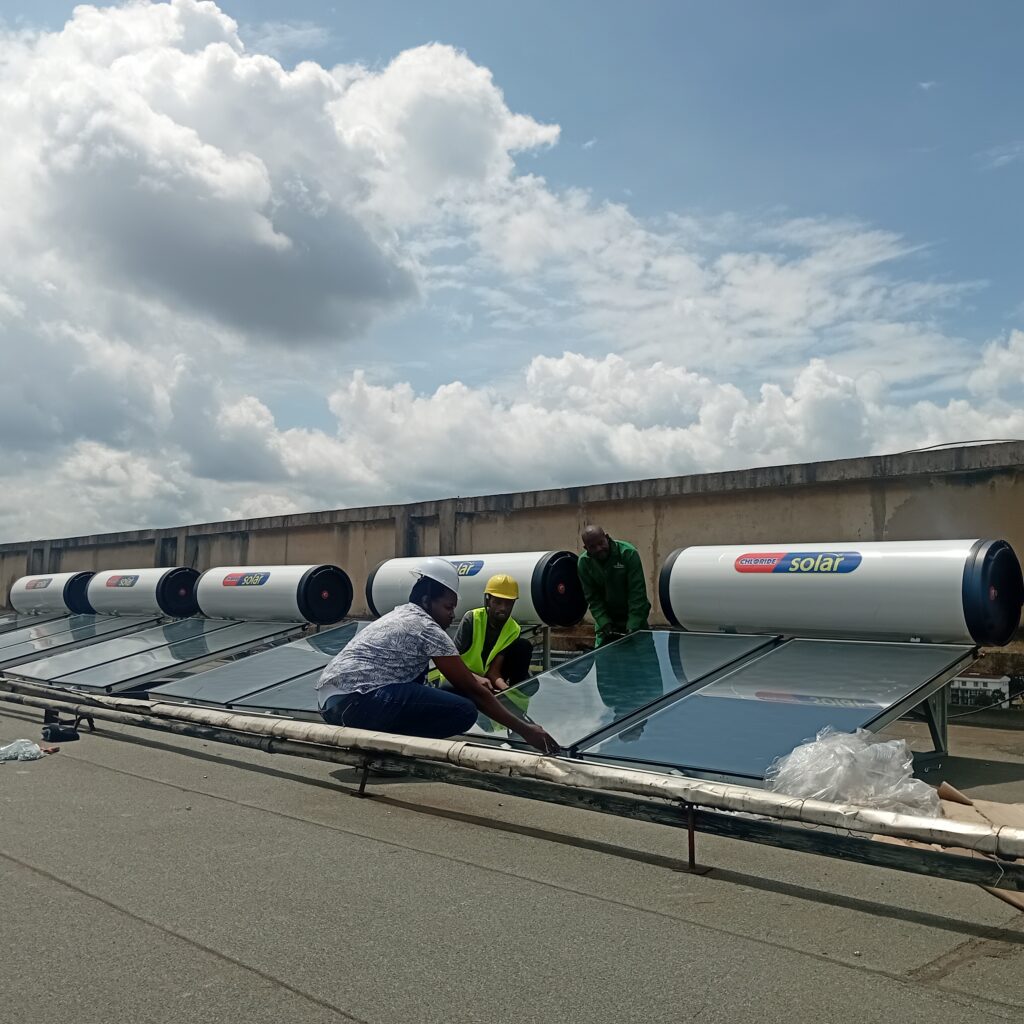
Solar Hot Water Systems in Kenya & East Africa | Energy Efficient Water Heating Solutions
The adoption of renewable energy solutions is rapidly increasing across Kenya and the East African region, with solar hot water systems playing a key role in this transition. As electricity tariffs continue to rise and environmental concerns grow, households, institutions, and commercial facilities are turning to solar-powered water heating as a sustainable and cost-effective alternative. With abundant sunlight throughout the year, East Africa provides ideal conditions for efficient solar water heating technology.
Growing Demand for Solar Hot Water Solutions
Solar thermal water heating systems are widely used in Kenya, Uganda, Tanzania, Rwanda, and neighboring countries. These systems convert sunlight into heat energy, which is then used to warm water for domestic and commercial use. Unlike electric or fuel-based heaters, solar hot water systems significantly reduce energy consumption and operating costs.
In urban areas such as Nairobi, Mombasa, Kisumu, and Arusha, solar hot water solutions are increasingly installed in residential apartments, hotels, hospitals, and schools. In rural settings, they offer a reliable solution where grid electricity is unreliable or unavailable. Government policies and green energy incentives have further encouraged the adoption of renewable water heating systems across the region.
Types of Solar Water Heating Systems
There are several types of solar hot water systems commonly used in East Africa:
1. Flat Plate Collector Systems
These systems are durable and suitable for both residential and commercial applications. They perform well in warm climates and are widely used in homes, schools, and small hotels.
2. Evacuated Tube Solar Heaters
Evacuated tube systems are more efficient in cooler regions and during cloudy conditions. They are ideal for high-demand applications such as hospitals, boarding schools, and large commercial facilities.
3. Pressurized Solar Hot Water Systems
Pressurized systems deliver hot water at consistent pressure and are suitable for multi-storey buildings, apartments, and hotels. They can be integrated with backup electric or gas heating for uninterrupted supply.
Benefits of Solar Hot Water Systems
The popularity of solar-powered water heating solutions in Kenya and East Africa is driven by several key benefits:
- Reduced electricity and fuel costs: Solar water heaters can lower water heating expenses by up to 70%.
- Reliable hot water supply: With proper sizing and installation, users enjoy consistent hot water throughout the day.
- Environmentally friendly: Solar heating reduces carbon emissions and reliance on fossil fuels.
- Low maintenance: Modern systems are designed for durability with minimal servicing requirements.
- Long-term investment: Solar water heaters have a long lifespan, offering savings over many years.
Common Applications in East Africa
Solar hot water systems are suitable for a wide range of applications, including:
- Residential homes and apartments
- Hotels, lodges, and resorts
- Hospitals and healthcare facilities
- Schools, colleges, and boarding institutions
- Industrial and commercial premises
Due to rising demand for sustainable infrastructure, many developers now include solar water heating systems in new building projects to comply with energy efficiency regulations.
Factors to Consider When Choosing a System
Selecting the right solar hot water system requires careful evaluation of several factors:
- Daily hot water demand
- Number of users
- Installation location and roof orientation
- Water pressure requirements
- Climate conditions
- Availability of backup heating
Professional system sizing and installation ensure optimal performance and long-term reliability.
The Future of Solar Water Heating in East Africa
With continued investment in renewable energy and increasing awareness of climate change, solar hot water technology is expected to grow significantly across East Africa. Advances in solar thermal technology, improved system efficiency, and declining equipment costs will make solar water heaters more accessible to both urban and rural communities.
Conclusion
Solar hot water systems offer an efficient, affordable, and environmentally responsible solution for water heating in Kenya and the East African region. By harnessing the power of the sun, households and businesses can reduce energy costs, improve sustainability, and enjoy reliable hot water throughout the year. As demand for clean energy continues to rise, solar water heating remains a smart and future-ready investment.