No products in the cart.
Solar Energy in Nairobi: The Future of Reliable Power
Electricity is essential for modern living and business operations in Nairobi. However, many homeowners and businesses continue to experience unreliable grid power, rising electricity costs, and frequent outages. These challenges affect productivity, increase operating expenses, and damage sensitive electrical equipment.
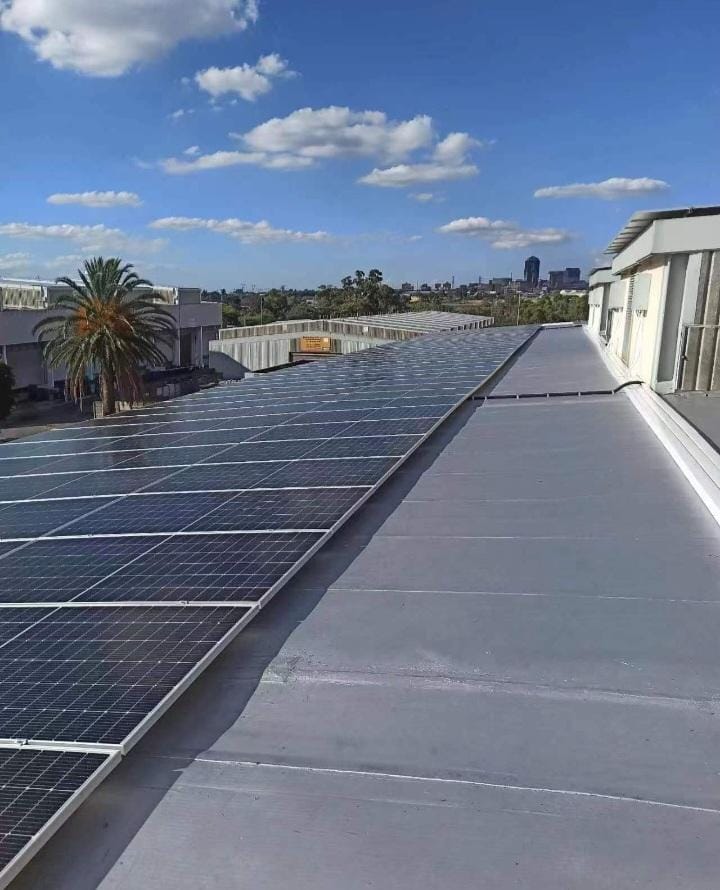
Fortunately, solar energy has become the most reliable and cost-effective alternative, providing clean, renewable electricity for decades.
Challenges Facing Nairobi’s Electricity Supply
1. Frequent Power Blackouts
Power outages interrupt businesses, schools, hospitals, and homes. Production stops, refrigerated goods spoil, and daily activities are disrupted.
Solar Solution:
A hybrid solar system with battery storage automatically supplies electricity during KPLC outages, ensuring uninterrupted power.
2. Rising Electricity Bills
Kenya’s electricity tariffs continue to fluctuate due to fuel costs, taxes, exchange rates, and demand.
Solar Solution:
Generating your own electricity significantly reduces monthly electricity bills and protects you from future tariff increases.
3. Voltage Fluctuations
Low voltage, high voltage, and power surges can damage televisions, refrigerators, computers, industrial machinery, and other appliances.
Solar Solution:
Modern solar inverters provide stable, regulated power, helping protect valuable equipment.
4. Growing Electricity Demand
As Nairobi continues to expand, electricity demand increases, putting additional pressure on the national grid.
Solar Solution:
Solar systems generate electricity directly from sunlight, reducing dependence on the national grid.
5. Grid Overloading
Peak-hour electricity demand can overload distribution networks, causing unreliable supply.
Solar Solution:
Solar panels produce the most electricity during daylight hours, helping reduce demand on the grid.
6. Transmission Losses
Electricity generated hundreds of kilometers away loses some energy before reaching consumers.
Solar Solution:
Solar power is generated directly at your home or business, eliminating long-distance transmission losses.
7. Weather Dependence
Hydroelectric generation decreases during droughts, reducing available electricity.
Solar Solution:
Although solar output varies with weather, Kenya’s abundant sunshine provides excellent year-round energy production, making solar a dependable renewable resource.
8. Equipment Failures
Transformer failures and damaged power lines often lead to extended outages.
Solar Solution:
Battery-backed solar systems continue supplying power even when grid infrastructure fails.
9. Poor Power Quality
Power surges and unstable voltage affect sensitive electronics.
Solar Solution:
Quality hybrid inverters deliver clean, stable electricity suitable for homes, offices, hospitals, and manufacturing facilities.
10. Expensive Backup Generators
Diesel generators require fuel, servicing, and frequent maintenance while producing noise and emissions.
Solar Solution:
Solar energy operates silently, requires minimal maintenance, and has no fuel costs.
How Solar Energy Produces Electricity
Solar panels contain photovoltaic (PV) cells that convert sunlight directly into electricity.
The process is simple:
- Sunlight strikes the solar panels.
- PV cells generate direct current (DC) electricity.
- A solar inverter converts DC into alternating current (AC) for everyday use.
- Excess electricity can charge batteries or, where applicable, be exported to the grid.
Because Kenya enjoys abundant sunshine throughout the year, solar systems can consistently generate significant amounts of electricity.
When Does a Solar System Break Even?
The break-even point is when the total savings on electricity equal the original installation cost.
In Kenya, the typical break-even period depends on electricity usage and system size:
- Residential systems: approximately 4–7 years
- Commercial systems: approximately 3–6 years
- Industrial systems with high daytime consumption: approximately 2–5 years
Since quality solar systems commonly last 25 years or more, most owners enjoy many years of low-cost electricity after recovering their investment.
Example
If a business spends KES 30,000 per month on electricity and installs a solar system that reduces the bill by KES 24,000 per month, the annual savings would be KES 288,000. Depending on the installation cost, the investment could typically be recovered in about 3 to 5 years, after which the electricity produced is largely free apart from routine maintenance.
Why More Nairobi Homes and Businesses Are Choosing Solar
- Lower electricity bills
- Reliable power during blackouts
- Protection from rising electricity tariffs
- Stable voltage for sensitive equipment
- Reduced diesel generator costs
- Environmentally friendly energy
- Increased property value
- Long system lifespan with low maintenance
- Greater energy independence
Why Choose Epison Consulting?
Epison Consulting provides professional solar energy solutions across Nairobi and Kenya, including:
- Hybrid Solar Systems
- Off-Grid Solar Systems
- On-Grid Solar Systems
- Solar Water Heaters
- Solar Water Pumps
- Battery Storage Solutions
- System Maintenance and Upgrades
- Site Surveys and Professional Installation
Our experienced engineers design every system based on your actual energy needs, ensuring maximum efficiency and long-term savings.
Contact Epison Consulting Today
Ready to reduce your electricity bills and enjoy reliable power?
Call or WhatsApp: 0720 521 051
Website: www.episonconsult.co.ke
Epison Consulting – Powering Nairobi with Clean, Reliable Solar Energy.