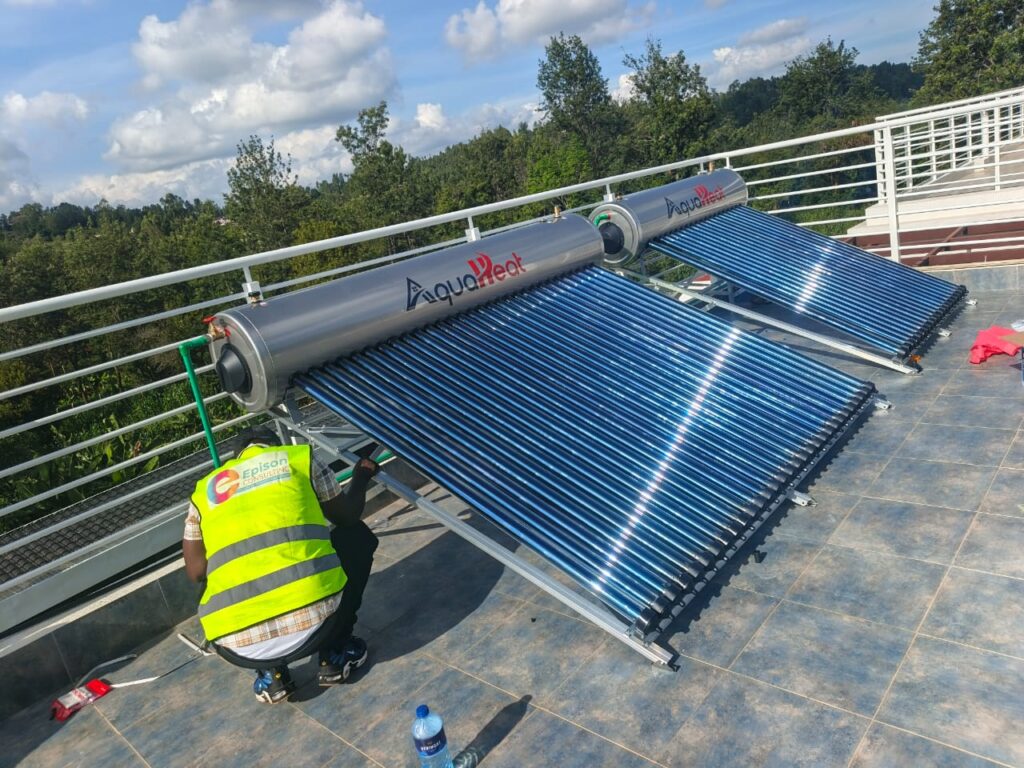
Best Solar Water Heater Installation Practices in Kenya
As energy costs continue to rise in Kenya, more households and businesses are turning to solar solutions as a reliable and cost-effective alternative. Solar water heater installation in Kenya has become one of the most practical investments for anyone looking to reduce electricity bills while embracing clean energy.
In this guide, we explore the best solar practices, how to ensure safe and efficient installation, and why solar power installation is no longer more expensive than electricity in Kenya.
Why Solar Water Heating is Growing in Kenya
Kenya enjoys abundant sunshine throughout the year, making it an ideal location for solar energy systems. A properly installed solar water heater can supply up to 70–90% of your hot water needs using free energy from the sun.
Unlike electric water heaters, which consume a significant amount of power, solar water heaters drastically reduce monthly utility costs. This has made solar installation not just an environmental choice but also a smart financial decision.
Best Solar Water Heater Installation Practices
To maximize efficiency and longevity, proper installation is crucial. Below are the best practices recommended by professionals in solar panel installation and solar power installation.
1. Proper Site Assessment
Before installation, a thorough site assessment must be conducted. This includes:
- Roof orientation (preferably facing north in Kenya)
- Roof strength and structure
- Shading analysis (avoid trees or buildings blocking sunlight)
A well-positioned system ensures maximum solar absorption throughout the day.
2. Correct System Sizing
Choosing the right size of the solar water heater is essential. Factors to consider include:
- Number of users in the household
- Daily hot water consumption
- Type of building (residential or commercial)
Oversized systems lead to unnecessary costs, while undersized systems may not meet your needs.
3. Use of High-Quality Components
The durability of your system depends on the quality of materials used. Always ensure:
- High-grade solar collectors
- Corrosion-resistant tanks
- Quality piping and insulation
Top solar companies in Kenya emphasize quality control to ensure long-term performance.
4. Professional Installation
Avoid DIY installations. Certified technicians ensure:
- Proper mounting and alignment
- Leak-proof connections
- Correct pressure and flow setup
Professional solar installation reduces the risk of system failure and increases efficiency.
5. Proper Mounting Angle
In Kenya, the ideal tilt angle for solar panels is approximately equal to the latitude (around 0°–10° depending on location). This allows optimal solar energy absorption throughout the year.
6. Efficient Plumbing Integration
The system must integrate seamlessly with existing plumbing. Key considerations include:
- Minimal heat loss through insulated pipes
- Proper placement of storage tanks
- Installation of backup heating systems if needed
7. Regular Maintenance
Even the best systems require maintenance. This includes:
- Cleaning solar collectors
- Checking for leaks
- Inspecting valves and pipes
Routine maintenance ensures your system operates efficiently for over 15–20 years.
Call/WhatsApp: 0720521051
Visit: episonconsult.co.ke
Email: info@episonconsult.co.ke