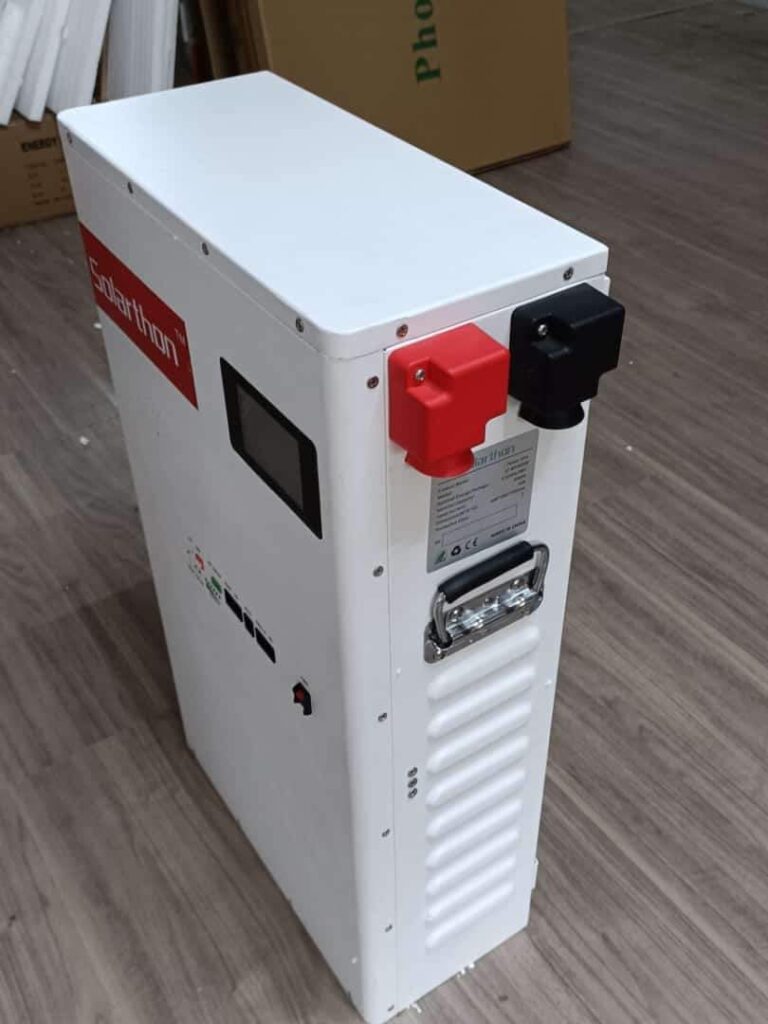
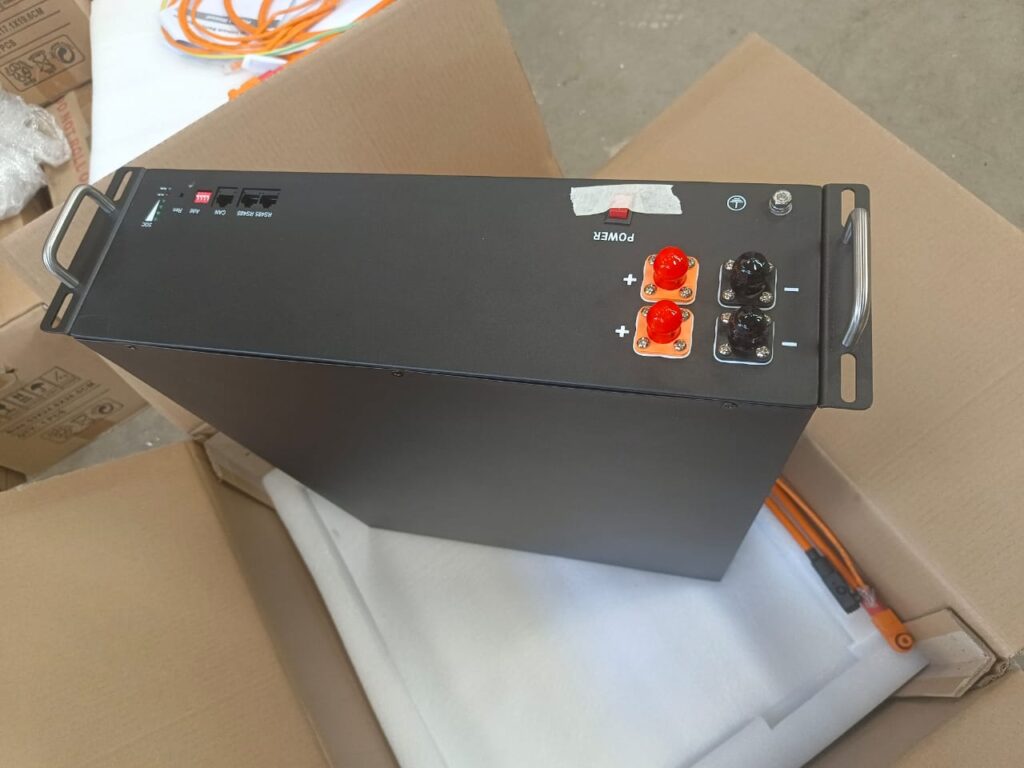
Are Lithium Batteries Better Than Lead-Acid Batteries? A Complete Guide for Solar Energy Users in Kenya
As solar energy adoption continues to grow across Kenya, choosing the right battery storage system has become one of the most important decisions for homeowners, businesses, farms, and institutions. One of the most frequently asked questions is: Are lithium batteries better than lead-acid batteries?
Both battery types store solar energy for use during nighttime or power outages. However, advances in solar technology have made lithium batteries increasingly popular due to their performance, efficiency, and long-term value.
Understanding Solar Battery Storage
Solar batteries store excess electricity generated by solar panels during the day so it can be used when sunlight is unavailable. Reliable battery storage ensures continuous power supply and improves energy independence.
The two most commonly used solar battery technologies in Kenya are:
- Lithium Batteries
- Lead-Acid Batteries
What Are Lead-Acid Batteries?
Lead-acid batteries have been used for decades and are traditionally found in backup power systems and older solar installations. They are widely available and typically cheaper during initial purchase.
Advantages of Lead-Acid Batteries
✔ Lower initial purchase cost
✔ Widely available in the market
✔ Proven and familiar technology
Limitations of Lead-Acid Batteries
- Shorter lifespan (typically 3–5 years)
- Require regular maintenance
- Lower energy storage efficiency
- Slower charging time
- Reduced performance when deeply discharged
Although lead-acid batteries are affordable initially, they often require frequent replacement, increasing long-term costs.
What Are Lithium Batteries?
Lithium batteries are modern energy storage solutions designed to provide higher performance and durability. They are now widely used in advanced solar power systems.
Advantages of Lithium Batteries
✔ Longer lifespan (8–15 years or more)
✔ Higher energy storage efficiency
✔ Faster charging capability
✔ Minimal maintenance requirements
✔ Better performance during power outages
✔ Compact and lightweight design
Lithium batteries are built with advanced technology that allows deeper discharge without damaging battery life, making them more reliable for solar energy storage.
Lithium Batteries vs Lead-Acid Batteries Comparison
1. Lifespan
- Lead-Acid Batteries: 3 – 5 Years
- Lithium Batteries: 8 – 15 Years
Lithium batteries typically last more than twice as long as lead-acid batteries.
2. Efficiency
Lithium batteries store and release energy more efficiently, meaning less energy is wasted during charging and discharging. This results in better overall solar system performance.
3. Maintenance
Lead-acid batteries require regular maintenance, including water level checks and monitoring battery condition. Lithium batteries are maintenance-free, making them more convenient and reliable.
4. Depth of Discharge
Depth of discharge refers to how much battery energy can be used safely.
- Lead-Acid Batteries: Approximately 50% usable capacity
- Lithium Batteries: Up to 90% usable capacity
Lithium batteries provide more usable energy from the same battery size.
5. Charging Speed
Lithium batteries charge significantly faster than lead-acid batteries. This allows solar systems to store more energy during limited sunlight hours.
6. Long-Term Cost Value
Although lithium batteries have higher upfront costs, they often become more economical because they:
- Last longer
- Require fewer replacements
- Deliver higher efficiency
- Reduce maintenance expenses
Which Battery is Better for Solar Systems in Kenya?
Lithium batteries are generally the better choice for modern solar power systems because they provide reliable backup power, longer lifespan, and improved efficiency.
Lead-acid batteries may still be suitable for users with very tight budgets or small backup power needs. However, most solar users are now shifting to lithium battery storage due to long-term savings and reliability.
Why Lithium Batteries Are Ideal for Nairobi Solar Systems
Kenya experiences occasional power outages and rising electricity costs. Lithium battery storage ensures uninterrupted energy supply and maximizes solar energy utilization.
Lithium batteries are especially beneficial for:
- Residential homes requiring full backup power
- Businesses needing continuous electricity
- Farms running irrigation systems
- Schools and hospitals requiring reliable power
Are Lithium Batteries Worth the Investment?
Yes. Lithium batteries deliver strong long-term value by improving solar system performance and reducing replacement costs. Most solar users recover the higher initial cost through energy savings and longer battery lifespan.
Conclusion
Lithium batteries are generally better than lead-acid batteries for solar energy storage. They offer longer lifespan, higher efficiency, faster charging, and lower maintenance requirements. While lead-acid batteries have lower upfront costs, lithium batteries provide better long-term reliability and financial value.
Choosing the right battery storage system ensures your solar power system delivers maximum performance and uninterrupted electricity for many years.